



Sleep Dentistry
Seoul The Nature Dental Clinic
aims for comfortable dental care
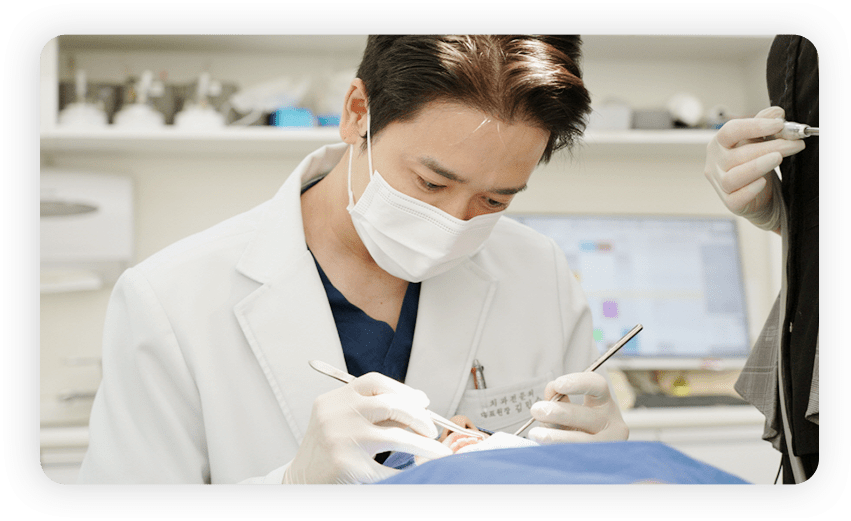
For patients who need dental treatment but keep delaying it
because of pain or fear,
Seoul The Nature Dental Clinic offers sleep dentistry
What Is Sleep Dentistry?
Using sedative medication similar to that used for endoscopy,
patients are guided into a light
sleep-like state so they can receive treatment more comfortably
with less concern about pain
So that dental care can feel more comfortable,
The Nature Dental Clinic promises comfortable care with
sleep dentistry
Sleep Dentistry
Recommended For
-
Dental Fear
Patients with fear of dental treatment
-
Pain Concern
Patients who want treatment with less pain concern
-
TMJ Issues
Patients who have difficulty keeping the mouth open for long
-
Complex Surgery
Patients who need complex procedures such as implants
-
Strong Gag Reflex
Patients who find dental treatment difficult due to gagging
Types of Dental Anesthesia
-
01
Local Anesthesia -
02
Sleep Sedation
(Conscious Sedation)Can breathe independently
Light sleep-like state with reduced awareness and sensation -
03
General AnesthesiaCannot breathe independently
Loss of consciousness and communication
Sleep Sedation
vs
General Anesthesia
| Sleep Sedation | General Anesthesia | |
| Sedation Depth | Light sleep-like state | Unconscious state |
| Breathing | Can breathe independently | Ventilator required |
| Side Effects | X | O (Some side effects may occur) |
| Recovery | Recovery within 1–2 hours | More than 1 day |
| Sleep Sedation | |
| Sedation Depth | Light sleep-like state |
| Breathing | Can breathe independently |
| Side Effects | X |
| Recovery | Recovery within 1–2 hours |
| General Anesthesia | |
| Sedation Depth | Unconscious state |
| Breathing | Ventilator required |
| Side Effects | O (Some side effects may occur) |
| Recovery | More than 1 day |
Treatments Available with Sleep Dentistry
include the following
-

Implants
-

Root Canal
-

Cavity Treatment
-

Wisdom Tooth Extraction
-

Veneers
-

Scaling
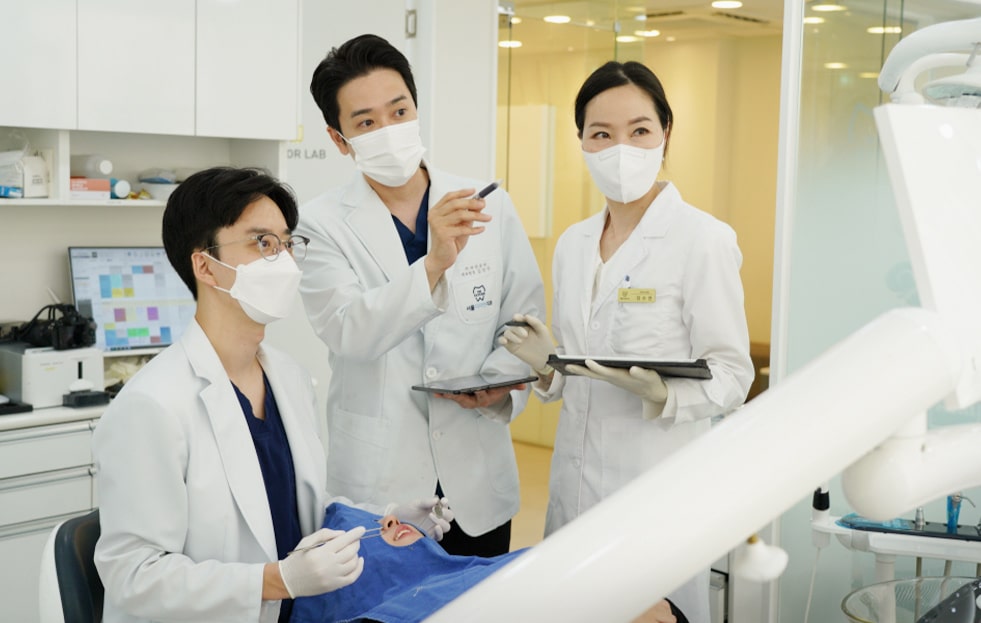
Sleep dentistry at Seoul The Nature Dental Clinic
puts patient safety first
-
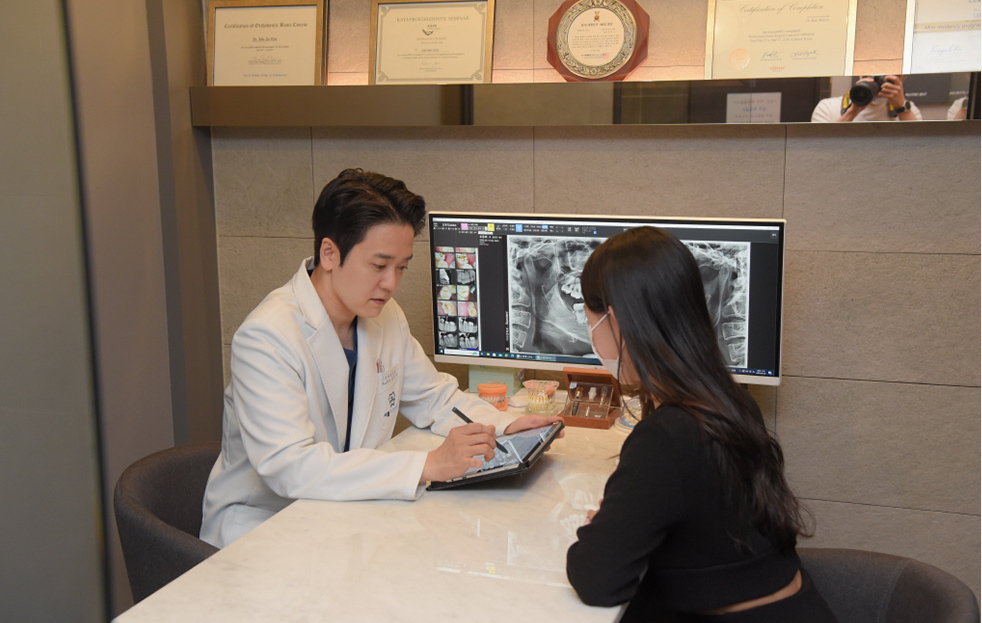
Consultation
Medication dosage is adjusted based on
the patient’s condition and health status -
Real-Time Monitoring
Blood pressure, pulse, breathing, and oxygen saturation
are monitored in real time -
Safety System
A safety protocol is in place for emergencies
-
Full Recovery Check
Patients return home only after full recovery is confirmed
The quality of sleep dentistry begins with
the expertise of the dental team
At Seoul The Nature Dental Clinic, all doctors are dental specialists
and we always strive to provide
comfortable dental care
Sleep Dentistry
Process
-
01
Consultation / Medical Form
After your visit, we begin with consultation
and a medical questionnaire -
02
Medication Prescription
Any necessary medication is prescribed
after sleep dental treatment -
03
Topical / Local Anesthesia
Anesthesia is performed using
pain-minimizing equipment -
04
Conscious Sedation
Conscious sedation is performed
(6 hours of fasting required) -
05
Treatment
Treatment is performed
in a sleep-like state -
06
Recovery & Discharge
Patients return home only after
full recovery is confirmed
Types of Sedatives
- Midazolam
- Propofol
- Ketamine
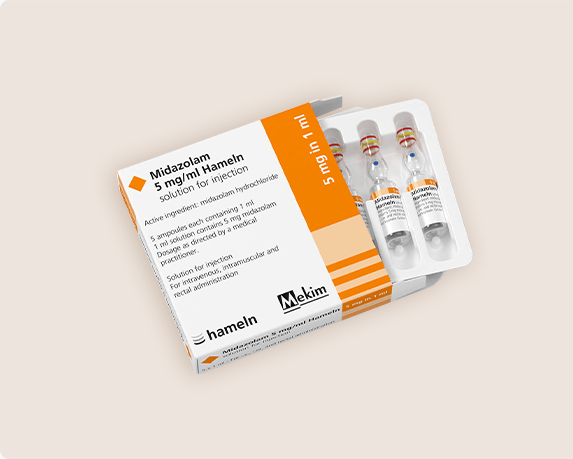
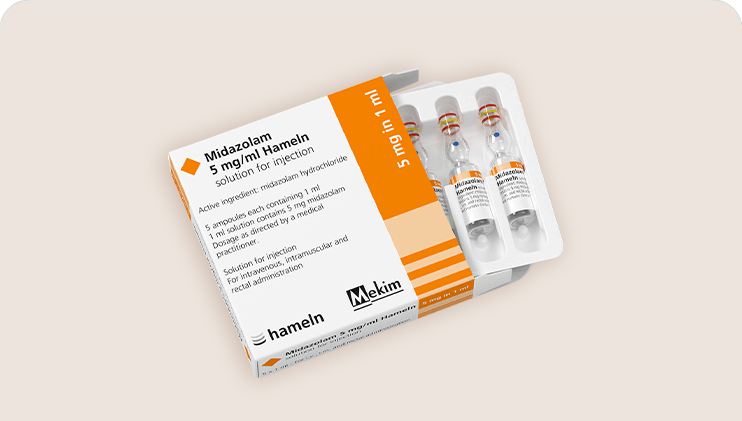
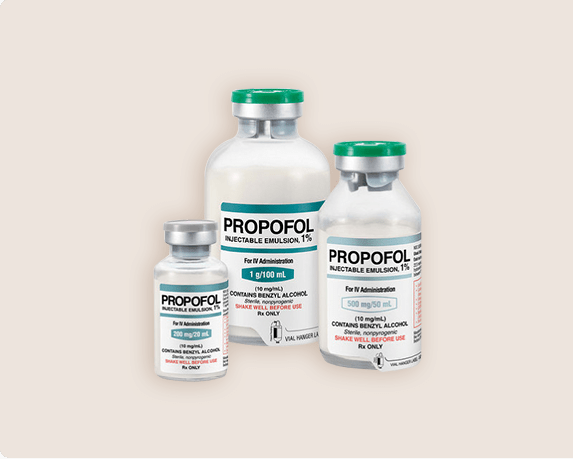
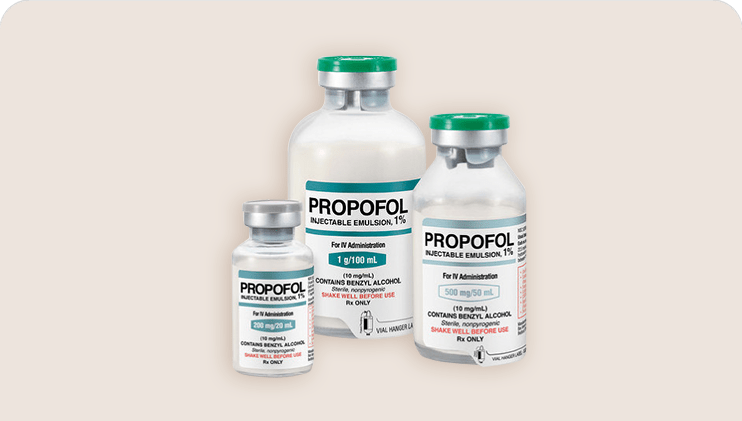
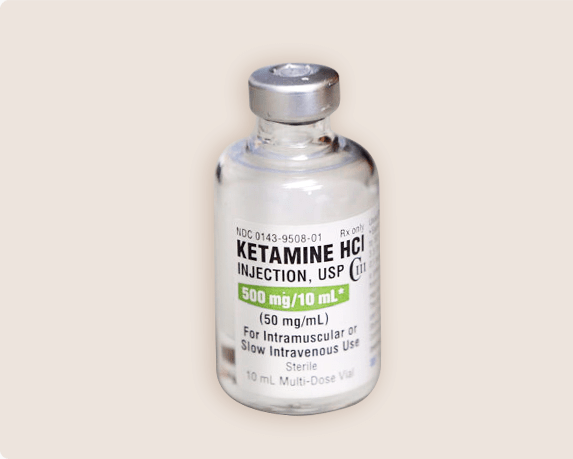
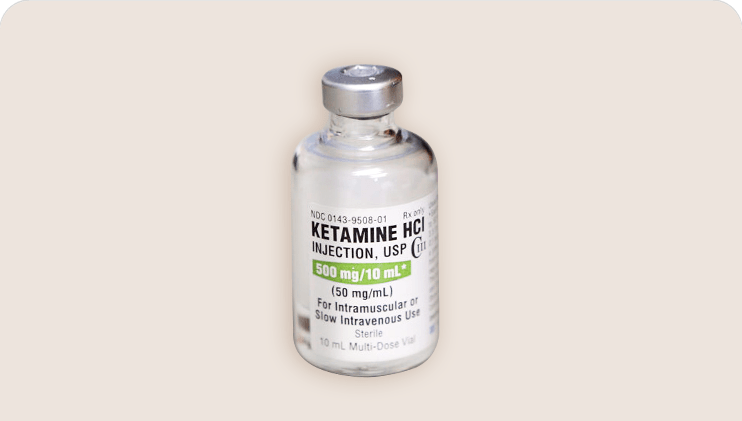

Among various sedatives used in sleep dentistry,
Seoul The Nature Dental Clinic uses only midazolam,
known for safety and fewer side effects.
Q & A
Questions About Sleep Sedation
Answered by The Nature Dental Clinic
Q. Are there any side effects of sleep sedation?
Conscious sedation is a widely used and relatively safe method,
often used for simple endoscopy procedures at university hospitals.
After waking up, mild dizziness may occur,
but recovery is usually quick with adequate rest.
Q. Is it different from general anesthesia?
Yes. General anesthesia causes complete loss of consciousness
and requires assisted breathing, so it carries relatively higher risk.
In contrast, conscious sedation in dentistry creates a light sleep-like state,
allowing more comfortable treatment.
General anesthesia may also require hospitalization and longer recovery,
while dental sleep treatment usually allows faster recovery
and same-day return home after a short rest.
Q. Is dental sleep sedation harmful to the body?
Dental sleep sedation follows a process similar to sleep endoscopy,
so it generally does not affect the body after recovery.
In addition, The Nature Dental Clinic uses midazolam, which is known
for safety and fewer side effects, so patients can receive treatment with confidence.
Q. Can I receive sleep sedation if I have a systemic condition?
Even if you have a systemic condition, sleep dentistry may still be possible
after full consultation with the dental team.
At The Nature Dental Clinic,
experienced doctors provide careful monitoring throughout treatment,
helping patients receive care more safely and comfortably.
Q. Are there precautions before sleep sedation?
Please avoid food for at least 4 hours before sedation,
and it is best not to drive immediately after treatment.
Pain control in the needed area
Psychological anxiety may remain